
 Saher Naseem
 June 3, 2026
Top 12 Logo Design Trends to Follow in 2026
Stay on top of these logo design trends 2026.
Gone are the days when logos served merely as static symbols that were used for only headers and footers. Now you find logos everywhere: inside apps, on corporate packaging, in social feeds, on billboards—to name a few. As we move into 2026, logo design is evolving beyond static symbols into dynamic brand assets shaped by technology, culture, and consumer expectations. Advances in AI-powered design tools, the rise of augmented reality and gaming environments, and a growing demand for authenticity are redefining how brands visually express their identity.
Today’s most effective logos balance innovation with human connection, blending flexibility, personality, and purpose to resonate across digital and physical touchpoints. For businesses looking to stay competitive, understanding and adopting the latest logo design trends is essential to building a brand that feels relevant, distinctive, and future-ready.
Let’s take a closer look at the logo design trends shaping 2026 and explore the creative innovations redefining modern brand identities. From bold visual expressions and adaptive logo systems to AI-inspired design elements, these emerging trends are setting the standard for the next generation of branding.
Table of Contents
1. Minimalist Logos
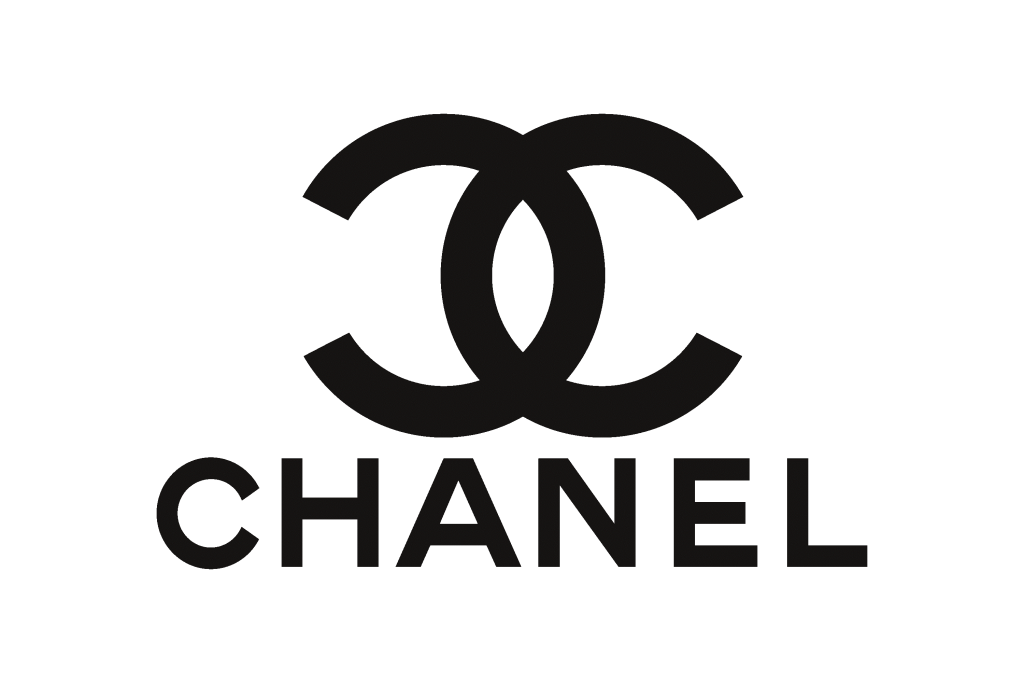
The minimal logo design trend continues to evolve by blending simplicity with subtle expressive details. While it remains focused on clarity, balance, and timelessness, current logo design trends introduce handcrafted touches such as custom typography, imperfect strokes, and subtle shadowing to add personality without visual clutter. The emphasis is still on geometric shapes, clean lines, monochrome palettes, and muted tones that communicate a brand’s identity clearly and consistently.
Flat design, negative space, and geometric forms remain foundational to minimalist logo trends. These graphic design techniques further strengthen the minimalist approach, enhancing memorability and versatility. By using basic shapes and carefully selected colors, minimalist logos remain adaptable across platforms while delivering strong visual impact. This refined simplicity makes them ideal for brands seeking a modern, professional, and enduring visual identity.
2. Hand-Touched Elements with Dirty Gradients
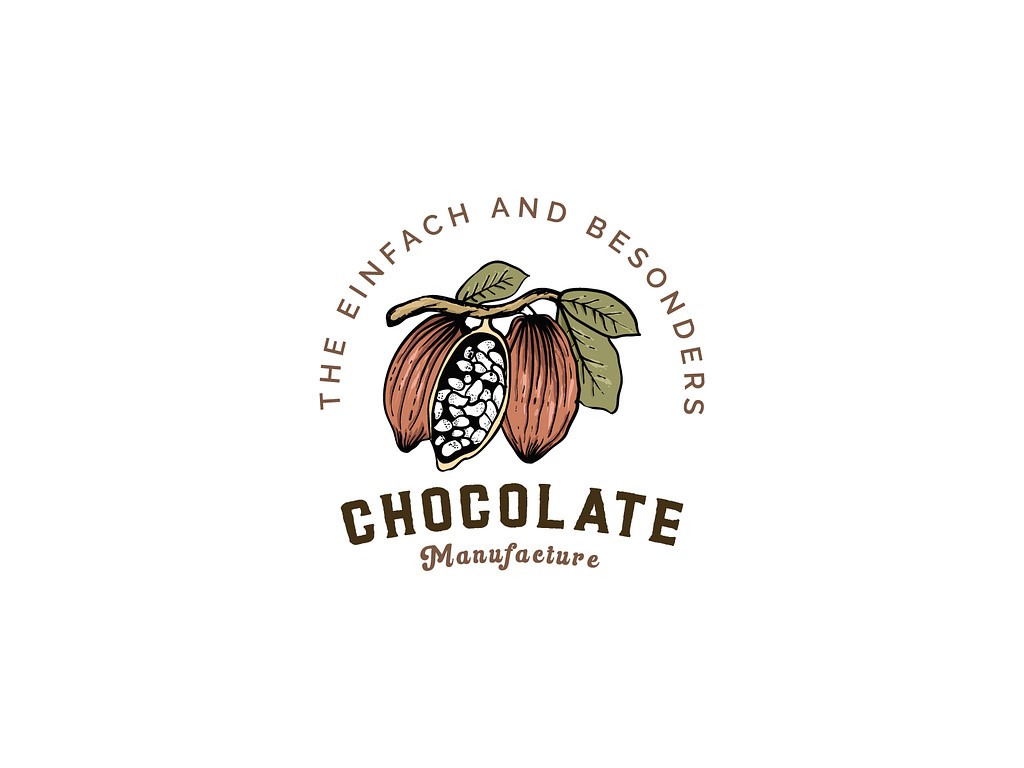
The hand-drawn, human-centered logo design trend is gaining momentum as brands seek to stand out in an increasingly AI-driven design landscape. As automated and highly polished visuals become more common, imperfection and dirty design aesthetics have emerged as a marker of authenticity. Hand-touched typography, organic line work, and analog-inspired textures such as stone, bark, or letterpress effects introduce a tactile, human quality that AI-generated logos usually lack. These graphic design elements help brands appear more approachable, genuine, and emotionally resonant while maintaining visual clarity.
In 2026, controlled imperfection is being used strategically to build trust and character. Rough edges, uneven strokes, organic shapes, and illustrative sub-marks create meaningful contrast against clean digital environments. Rather than signaling poor craftsmanship, these intentional imperfections communicate transparency and humanity. Brands that embrace this approach feel more relatable and credible, while those that appear overly perfect risk seeming impersonal or artificial to modern audiences.
3. Motion as a Core Design Standard
Dynamic and motion-based logo design is becoming an essential component of modern brand identity rather than an optional enhancement. In 2026, logos are increasingly designed with movement in mind, recognizing that brands now live primarily in digital, interface-driven environments.
Instead of relying on a single static mark, companies are adopting flexible logo systems that adapt in shape, color, or motion depending on context, such as mobile apps, social media, video, or augmented reality. Motion, when used thoughtfully, helps communicate brand traits like playfulness, innovation, or intensity while improving engagement and visibility across platforms.
Motion in logo design is purposeful rather than decorative. Subtle animations such as gentle expansion, smooth transitions, or responsive interactions reinforce brand personality through behavior, not visual excess. Designers are building logos that can scale down for small screens, animate for digital touchpoints, and retain a clear static version when needed.
4. Chaotic Maximalism
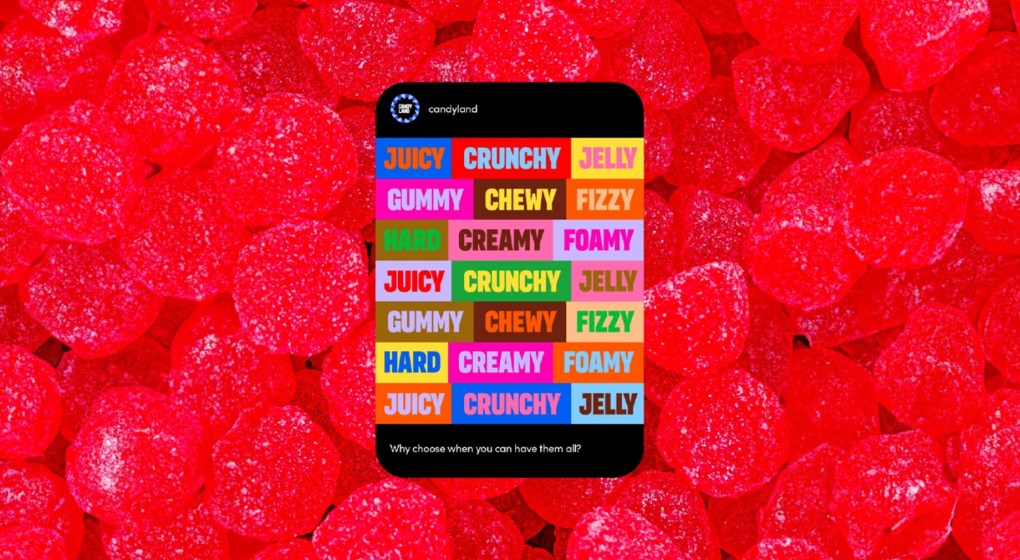
The maximalist and chaotic logo design trend embraces boldness, abundance, and playful unpredictability. Unlike minimalist designs, this approach layers patterns, textures, shapes, colors, and even 3D elements to create visually rich compositions. It draws inspiration from diverse design movements such as Art Deco, Memphis design, psychedelic art, and pop culture, blending historical and contemporary influences into a single, vibrant expression.
The goal is not disorder, but a carefully balanced visual complexity that feels energetic and engaging. Maximalist logos use contrast, overlapping elements, and vibrant color clashes to create a sense of movement and personality. Typography, shapes, and patterns interact in unexpected ways, giving the design a joyful, expressive quality.
This style encourages experimentation and self-expression, allowing brands to stand out by making a strong, memorable visual statement that delights the audience while maintaining intentionality and coherence.
5. Fusion of Freeform and Storytelling
The freeform and storytelling logo design trend emphasizes flexibility, narrative, and emotional connection. Unlike rigid or symmetrical layouts, freeform logos embrace editorial- or zine-inspired compositions with asymmetry, overlapping elements, and dynamic spacing. This approach creates visual rhythm and unpredictability, giving the design a playful, contemporary feel while drawing attention across digital and print platforms.
At the same time, storytelling is central to this trend. A logo that conveys a brand’s story, its values, mission, or unique personality becomes more memorable and meaningful to audiences. By embedding narrative elements into the design, brands can communicate their USP, evoke emotion, and build stronger connections with customers. This combination of freeform composition and storytelling ensures logos are not only visually striking but also resonate deeply, fostering recognition, loyalty, and a distinctive brand presence in a competitive market.
6. Strong and Vivid Color Palettes
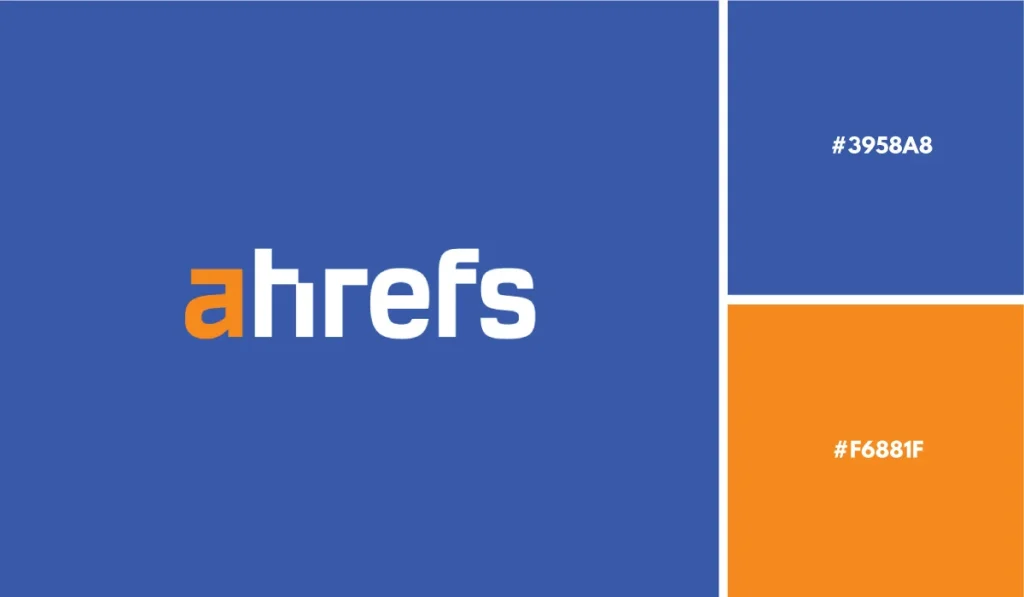
Color continues to be one of the most influential elements of logo design, but in 2026, brands are moving beyond simple flat colors and embracing vibrant, high-contrast palettes that create instant recognition across digital platforms. Strong color palettes are becoming a defining element of logo design, playing a central role in brand recognition and emotional connection.
In 2026, color is no longer treated as a decorative layer added at the end of the design process; it is a strategic asset that carries meaning, personality, and recall. Carefully chosen colors help logos communicate emotion, values, and tone instantly, allowing brands to stand out even with simple forms. Rather than using many colors, brands are selecting fewer hues and applying them with intention.
High contrast, accessibility, and performance across both light and dark environments are key considerations. Designers are increasingly experimenting with bold gradients, neon-inspired accents, and dynamic color combinations that evoke energy, innovation, and authenticity. With logos appearing across websites, mobile apps, social media, and digital advertising, vivid colors help brands capture attention in seconds and leave a lasting impression.
The trend is clear: brands that dare to be bold are better positioned to stand out in an increasingly crowded digital landscape. When used thoughtfully, strong color palettes enable logos to capture attention without visual complexity, ensuring clarity, adaptability, and consistent impact across digital and physical touchpoints.
7. Tall Logos
As brands prioritize mobile-first experiences, logo design is evolving to accommodate a wider range of screen sizes and digital touchpoints. Tall and vertically oriented logos are emerging as a popular alternative to traditional horizontal layouts, offering greater flexibility for social media profiles, app icons, packaging, and digital advertisements. Beyond their distinctive appearance, vertical logos create a strong visual presence while maximizing space efficiency.
In 2026, designers are pairing these taller compositions with responsive logo systems, allowing brands to seamlessly adapt their identity across different platforms without sacrificing consistency. The result is a modern, versatile logo that remains recognizable whether viewed on a smartphone screen, billboard, or product label.
8. Layered and Overlapping Logos
Layered and overlapping logo design is emerging as a prominent trend in 2026, offering a way to add depth, dimension, and visual interest without sacrificing clarity. By stacking shapes, typography, symbols, textures, and colors, designers create contrast and balance that immediately draws attention. This technique transforms logos from flat visuals into more dynamic compositions, making them feel richer and more engaging across digital and print platforms.
Designers are experimenting with geometric forms, varied line weights, and carefully selected color combinations to separate and highlight different elements within the logo. Overlapping text and symbols help guide the viewer’s eye while adding controlled complexity. When executed thoughtfully, layered logos maintain a clean, structured look while delivering a bold, memorable presence that helps brands stand out in competitive visual environments.
9. Scribbles and Sketches
The scribbles-and-sketches logo design trend reflects a growing desire for authenticity, individuality, and human expression in branding. As polished, highly refined logos become more common, brands are turning to freehand drawing, doodles, and sketch-style elements to stand out. These designs embrace imperfection through uneven lines, loose forms, and intentionally unfinished details, creating logos that feel personal, expressive, and approachable rather than overly produced.
This trend brings a raw, back-to-basics aesthetic that emphasizes creativity and originality. Hand-drawn characters, abstract shapes, and playful illustrations give logos a distinctive voice and emotional warmth, helping brands connect with audiences on a more human level.
By rejecting rigid structure in favor of expressive line work, scribble-style logos communicate personality and authenticity, making them especially effective for brands seeking a bold, memorable, and relatable identity.
10. Typography as a Shape
The typography-as-shape logo design trend reimagines wordmarks by treating letters as visual forms rather than purely textual elements. While wordmark logos have made a strong comeback, brands are pushing boundaries by integrating geometric shapes, negative space, and symbolic forms directly into typography. This approach creates typographic logos that are both readable and visually expressive, allowing type to function as structure, symbol, and storytelling device at the same time.
By blending creative typefaces with shapes, brands can embed deeper meaning into their logos without adding extra graphic elements. The Squid Game logo is a notable example, where simple geometric forms replace or shape letters to convey hidden symbolism and narrative. This logo trend allows brands to communicate identity, hierarchy, or values subtly through typography, resulting in logos that are minimal yet conceptually rich, memorable, and visually distinctive.
11. Negative Space Logos
Negative space logo design continues to evolve from a subtle visual technique into a flexible, strategic branding tool. Traditionally used to create balance, clarity, or hidden symbolism, negative space is now being treated as an active design element rather than an empty area. Logo design teams are using white or blank spaces intentionally to guide attention, form secondary visuals, and communicate unconscious messages in a refined, artistic way.
In recent logo design trends, negative space is being approached as a customizable canvas that enhances responsiveness and adaptability. Logos can shift their appearance by filling or activating these spaces with patterns, textures, or contextual elements while maintaining the core mark. This makes negative-space logos highly versatile across backgrounds, platforms, and seasons, allowing brands to refresh their visual identity without losing recognition. The result is a logo system that feels open, dynamic, and future-ready.
12. Funky Fonts
The funky fonts logo design trend embraces creativity, playfulness, and experimentation with typography. Designers are using variations in line thickness, letter height, spacing, and text size to add depth, movement, and personality to logos. This approach allows even a single wordmark to feel dynamic and visually engaging, turning type itself into a distinctive design feature rather than just a label.
Funky fonts can range from retro-inspired typefaces to custom, unconventional letterforms that break traditional rules. Whether using all lowercase letters for harmony, exaggerated curves, or bold, uneven strokes, this trend encourages brands to explore typographic expression that captures attention, conveys character, and sets their identity apart in a crowded visual landscape.
Conclusion
As a designer, exploring the latest logo design trends for 2026 is an opportunity to discover your own style and push the boundaries of creativity. Whether it’s embracing motion, handcrafted elements, bold colors, or playful typography, experimenting with these logo design trends allows you to create logos that feel fresh, memorable, and relevant.
Incorporating these approaches thoughtfully can breathe new life into your designs while ensuring they resonate with today’s audiences and stand out in a competitive market. Contact Logo Experts and our creative team can help you transform these trends into a cohesive, professional logo that reflects your brand’s identity while staying ahead of the curve, ensuring your visual presence is both modern and unforgettable.
FAQs
What are the top logo design trends for 2026?
Some of the latest logo design trends include minimalist logos with handcrafted touches, dynamic and motion-based logos, layered and overlapping compositions, strong color palettes, hand-drawn sketches, typography used as shapes, negative space innovation, funky fonts, and storytelling-driven, freeform layouts. These logo design trends emphasize creativity, adaptability, and human connection.
Why is motion important in modern logo design?
How can hand-drawn or imperfect logos benefit your brand?
What role does color play in 2026 logo design trends?
How does layering or overlapping enhance a logo?
What is the significance of storytelling in logos?
How can Logo Experts help implement these trends in your logo design?
How do negative space logos work in modern branding?
Table of Contents